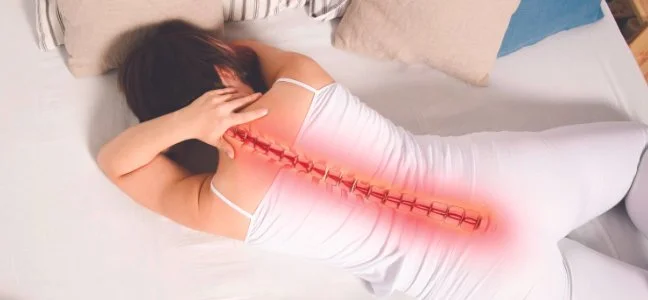
Degenerative Disc Disease (DDD) is a common term that often evokes concern, but understanding its nature is the first step toward effective management. Far from being a catastrophic illness, DDD frequently represents the natural wear and tear our spinal discs undergo over time. While imaging may reveal degenerative changes in many individuals, especially as they age, the crucial distinction lies in whether these changes translate into pain and functional limitations. This article aims to demystify DDD, offering a comprehensive overview of its anatomy, causes, diverse symptoms, diagnostic pathways, and the spectrum of proven treatment options available. By shedding light on this condition, we empower you with the knowledge to navigate your journey towards better spine health and lasting pain relief.
What is Degenerative Disc Disease? Debunking the Myths
Degenerative Disc Disease is not a distinct disease but rather a descriptive term for the natural aging and breakdown process of the intervertebral discs. These specialized structures, nestled between our vertebrae, act as crucial shock absorbers and facilitate spinal flexibility. The notion that any identified disc degeneration on an MRI or X-ray automatically signifies a problem is a pervasive myth. Scientific literature consistently indicates that a significant percentage of the population, particularly those over 40, exhibit radiological signs of disc degeneration without experiencing any symptoms source name. The critical factor distinguishing asymptomatic degeneration from symptomatic DDD is the presence of pain, stiffness, or neurological issues stemming from these disc changes. Therefore, understanding DDD requires focusing on the symptomatic impact rather than just the presence of age-related changes.
Why Understanding DDD Matters for Your Spine Health
A thorough understanding of Degenerative Disc Disease is paramount for proactive spine health management. It equips individuals with the knowledge to recognize potential symptoms early, facilitating timely medical consultation. This awareness also empowers patients to engage more effectively in their treatment, understanding the rationale behind recommendations such as physical therapy and lifestyle modifications. By grasping the underlying mechanisms of disc degeneration, individuals can make informed choices to mitigate aggravating factors, potentially slowing the progression of the condition and preventing it from exacerbating other spinal issues like spinal stenosis. Ultimately, comprehending DDD allows for a personalized approach to pain relief and functional restoration, safeguarding long-term spinal well-being and mobility.
The Anatomy of Your Spine and the Degenerative Process
A comparison of a healthy, well-hydrated intervertebral disc (left) and a degenerated disc (right), which has lost height and water content, leading to reduced space between the vertebrae.
The human spine is a marvel of biological engineering, a complex column of bone and soft tissue designed for support, mobility, and protection. At its core lies the vertebral column, a series of individual bones called vertebrae stacked in a precise alignment. These vertebrae create a protective tunnel known as the spinal canal, which houses the vital spinal cord and nerve roots that extend to the rest of the body. Between most of these vertebrae are the intervertebral discs, which are critical for spinal function. The degenerative process primarily targets these discs, impacting the entire spinal structure and its ability to function optimally.
The Role of Intervertebral Discs
Intervertebral discs are far more than mere spacers between vertebrae; they are dynamic, resilient structures integral to spinal health. Their primary role is to act as shock absorbers, effectively dissipating the immense forces exerted on the spine during everyday activities such as walking, running, jumping, and lifting. They are also essential for spinal mobility, enabling us to perform a wide range of movements like bending, twisting, and rotating. Each healthy spinal disc is engineered to withstand considerable axial load and dynamic stress, maintaining the integrity and proper spacing of the vertebral bodies, which is crucial for the unobstructed passage of spinal nerves.
The Healthy Disc: Annulus Fibrosus and Nucleus Pulposus
A healthy intervertebral disc is a sophisticated biomechanical unit composed of two distinct yet interdependent parts. The outer layer is a robust, multi-ringed structure known as the annulus fibrosus. This tough, fibrous ring is made of concentric lamellae of collagen fibers, providing tensile strength and containment. Encased within the annulus fibrosus is the nucleus pulposus, a highly hydrated, gel-like substance rich in proteoglycans. This nucleus pulposus is responsible for the disc's exceptional ability to absorb shock and distribute pressure evenly across the vertebral bodies. The water content of the nucleus pulposus is critical for maintaining disc height and its cushioning properties, allowing the spine to function efficiently.
How Degeneration Begins: Wear and Tear on Spinal Discs
The initial stages of disc degeneration often begin with a gradual loss of hydration within the nucleus pulposus, a process known as desiccation. As the nucleus loses its water content, it becomes less viscous and more prone to compression. This thinning of the nucleus reduces the disc's overall height and its shock-absorbing capacity. Concurrently, the annulus fibrosus can develop microscopic tears, cracks, or radial fissures due to cumulative stress from everyday activities, aging, or injury. These structural compromises in the annulus fibrosus can weaken the disc's integrity, making it more susceptible to further damage and reducing its ability to effectively protect the adjacent vertebral bodies and maintain proper spinal alignment. This progressive wear and tear is the hallmark of disc degeneration.
The Impact of Disc Degeneration on Vertebrae and Joints
As intervertebral discs degenerate and lose height, the space between adjacent vertebral bodies decreases. This reduction in disc height can lead to altered biomechanics of the entire spinal column, forcing the vertebrae to sit closer together. Consequently, this can increase the load and pressure on the facet joints, which are small, paired joints located at the posterior aspect of each vertebra, connecting them to the ones above and below. The increased stress on these facet joints can accelerate their own degenerative process, leading to facet joint arthritis (osteoarthritis of the spine). This cascade of degeneration—from disc to facet joint—can trigger inflammation and contribute significantly to localized pain and stiffness in the spine.
Understanding the Causes and Risk Factors of DDD
While the spine is designed to withstand significant forces, a variety of factors can accelerate the degenerative process of the intervertebral discs, leading to symptomatic Degenerative Disc Disease. Understanding these contributing elements is crucial for both prevention and effective management. The interplay between intrinsic factors like genetics and aging, alongside extrinsic influences such as lifestyle and trauma, determines an individual's susceptibility and the rate at which disc degeneration progresses.
The Primary Culprit: Aging and Natural Degeneration
The most pervasive and undeniable factor contributing to Degenerative Disc Disease is the natural aging process. As we age, our bodies undergo inevitable physiological changes. For spinal discs, this includes a progressive reduction in water content within the nucleus pulposus, leading to decreased elasticity and a thinner profile. The intricate collagen network of the annulus fibrosus can also degrade over time. These age-related changes are a normal part of the human experience, and most individuals will show evidence of disc degeneration on imaging as they get older. However, it's essential to reiterate that these age-related changes do not automatically translate to symptomatic pain.
Genetic Predisposition: Is DDD in Your Genes?
Emerging research indicates that genetics plays a notable role in an individual's propensity to develop Degenerative Disc Disease. Some individuals may inherit genetic markers that predispose them to discs with a less resilient structure, a faster rate of dehydration, or a greater susceptibility to tears in the annulus fibrosus. This genetic component can mean that some people are more likely to experience symptomatic DDD earlier in life or develop more severe degeneration compared to others, even with similar lifestyle exposures. Understanding any family history of spinal issues can provide valuable insight into personal risk factors.
Lifestyle Factors: How Daily Habits Contribute
Daily habits and lifestyle choices exert a significant influence on the health and longevity of our spinal discs. Obesity, for instance, dramatically increases the mechanical load on the lumbar spine, accelerating wear and tear. Smoking is another potent detractor from spine health; nicotine impairs blood flow, which is vital for delivering nutrients to the avascular intervertebral discs and for their repair mechanisms. Prolonged periods of sitting, particularly with poor posture, place sustained, high pressure on the lumbar discs, contributing to their degeneration. Conversely, maintaining a regular, low-impact exercise regimen can strengthen the supportive musculature of the back and abdomen, helping to offload stress from the discs and promote overall spine health. Proper hydration also plays a role in maintaining the nucleus pulposus's water content.
Trauma and Injury: Accelerating the Degenerative Process
Acute trauma or even repetitive minor injuries to the spine can act as catalysts, significantly accelerating the degenerative process of intervertebral discs. A sudden, forceful impact, such as that experienced in a car accident or a sports-related fall, can cause direct damage to the annulus fibrosus or nucleus pulposus. Even injuries that may not have initially presented with severe back pain can initiate a cascade of micro-damage within the disc. This compromised structure becomes more vulnerable to the ongoing stresses of daily life, leading to earlier and potentially more aggressive disc degeneration and a higher likelihood of developing symptomatic DDD.
Recognizing the Symptoms of Degenerative Disc Disease
The manifestation of symptoms in Degenerative Disc Disease is highly variable, often making it a challenging condition to diagnose solely on subjective reports. While many individuals with clear signs of disc degeneration on imaging remain entirely asymptomatic, others experience a range of discomforts and functional limitations. When symptoms do arise, they are typically related to the structural integrity of the disc itself, the resulting biomechanical stresses on the spine, and any potential impingement or irritation of the surrounding neural structures, such as nerve roots.
Common Pain Patterns and Sensations
The hallmark symptom of symptomatic Degenerative Disc Disease is back pain, most frequently experienced in the lower back, or lumbar spine. This pain is often characterized as a persistent, dull ache or a sensation of stiffness, particularly noticeable after prolonged periods of inactivity, such as sitting for extended durations, or after waking. The pain can be exacerbated by specific movements, including bending forward, twisting, or lifting heavy objects. In some instances, the pain can become sharp and stabbing, especially if the degenerated disc is causing mechanical instability or irritating surrounding tissues. This type of pain is typically described as mechanical back pain because its intensity is often linked to physical activity and spinal load.
Radiating Pain: When Nerves Get Involved
A significant complication of Degenerative Disc Disease occurs when the loss of disc height or the presence of bone spurs can lead to pressure or irritation on the spinal nerves exiting the spinal column. When this occurs in the lumbar spine, it can result in radiating pain that travels down the leg, a condition commonly known as sciatica. This pain may be accompanied by sensations of numbness, tingling, or a feeling of pins and needles (paresthesia) along the path of the affected nerve. In more severe cases, this nerve compression can also lead to muscle weakness in the leg or foot, indicating a more substantial neurological deficit.
Other Symptoms: Stiffness, Muscle Weakness, and Tingling
Beyond the primary experience of pain, Degenerative Disc Disease can manifest in other ways that impact daily function. Stiffness, particularly in the morning or after periods of rest, is a common complaint. This stiffness can limit the range of motion in the affected spinal region, making everyday tasks like bending to tie shoes or reaching for objects more difficult. While less common, persistent nerve root irritation or compression associated with DDD can sometimes lead to temporary muscle weakness in the limbs. Tingling or a "pins and needles" sensation can also occur, signaling that the degenerated disc may be impinging on nearby spinal nerves.
Understanding Spinal Stenosis and Its Connection to DDD
Disc degeneration, especially when it leads to significant loss of disc height and the formation of bone spurs (osteophytes) around the vertebral bodies and facet joints, can contribute to a narrowing of the spinal canal. This condition is known as spinal stenosis. When DDD is a primary driver of spinal stenosis, the reduced space within the spinal canal can compress the spinal cord or cauda equina (a bundle of nerves extending from the end of the spinal cord). Canal stenosis symptoms can include leg cramping or pain when walking (neurogenic claudication), numbness, and balance difficulties, often relieved by sitting or bending forward.
When Symptoms Mimic Other Conditions (e.g., Herniated Disc, Osteoarthritis)
The symptomatic presentation of Degenerative Disc Disease can frequently overlap with other spinal conditions, making a precise diagnosis challenging without thorough medical evaluation. For instance, a herniated disc, where the nucleus pulposus extrudes through a tear in the annulus fibrosus, can cause identical patterns of back pain and radiating neurological symptoms. Similarly, osteoarthritis affecting the facet joints, often exacerbated by underlying disc degeneration, can lead to stiffness, localized pain, and restricted movement. Differentiating DDD from conditions like lumbar radiculopathy, facet joint syndrome, or sacroiliac joint dysfunction requires a comprehensive approach by a healthcare professional, integrating patient history, physical examination, and diagnostic imaging.
Diagnosing Degenerative Disc Disease: A Patient's Journey
The journey to diagnosing Degenerative Disc Disease typically begins with a comprehensive evaluation by a healthcare professional, often a physician or a spine specialist. The primary goals are to accurately identify the source of your pain, assess its severity, and determine the extent of disc degeneration and any associated neurological involvement. This diagnostic process is a collaborative effort, blending your subjective experience with objective clinical findings.
The Initial Consultation: Your Doctor and Physical Examination
Your initial consultation with your doctor is a critical step in diagnosing DDD. The physician will begin by taking a detailed medical history, asking about the onset, location, quality, and intensity of your pain. They will inquire about factors that alleviate or aggravate your symptoms, your daily activities, occupation, and any previous injuries or surgeries. This discussion will also include questions about your general health, lifestyle habits, and family history of spinal conditions. Following the history, a thorough physical examination will be performed. This typically involves assessing your posture, range of motion in your spine and limbs, muscle strength, reflexes, and nerve sensation. The doctor will also palpate your spine and surrounding muscles to identify areas of tenderness or muscle spasms. This physical examination helps to identify potential neurological deficits and differentiate DDD from other possible causes of back pain.
Advanced Imaging: Visualizing the Spinal Column
To gain objective insights into the structural health of your spine and confirm suspected Degenerative Disc Disease, advanced imaging techniques are often employed. X-rays are a common starting point, offering a view of the bony structures and can reveal changes in disc height, the presence of bone spurs (osteophytes), and overall spinal alignment. However, X-rays provide limited detail of the soft tissues. Magnetic Resonance Imaging (MRI) is considered the gold standard for visualizing the intervertebral discs, spinal cord, and nerve roots. An MRI can clearly depict disc desiccation (loss of water content), tears within the annulus fibrosus, loss of disc height, and the extent of spinal canal narrowing (spinal stenosis). Radiologists often use classifications like the Pfirrmann classification to grade the severity of disc degeneration based on MRI signal intensity and morphology. Modic classification describes changes in the vertebral bone marrow adjacent to the disc, which can also indicate degenerative processes.
Specialized Diagnostic Tests (When Necessary)
In certain situations, particularly when symptoms are severe, persistent, or suggest significant nerve involvement, your doctor may recommend specialized diagnostic tests beyond standard imaging. Electromyography (EMG) and nerve conduction studies (NCS) can be used to evaluate the function of your spinal nerves and muscles. These tests help determine if nerve compression or damage is present, assess its severity, and pinpoint the location of the problem, which can be invaluable in guiding treatment decisions, especially when differentiating DDD from other neuropathies.
Comprehensive Treatment Options for Degenerative Disc Disease
Fortunately, a wide array of effective treatment options exists for managing Degenerative Disc Disease (DDD) and its associated pain. The goal of treatment is multifaceted: to alleviate pain, improve spinal function, and enhance overall quality of life. The therapeutic approach typically begins with conservative, non-surgical methods, as these are often sufficient for providing significant relief. For more persistent or severe cases, a range of advanced and minimally invasive procedures, and in select circumstances, surgical interventions, are available.
Conservative (Non-Surgical) Management: The First Line of Defense
Conservative management forms the cornerstone of treatment for most individuals experiencing symptoms from DDD. These strategies focus on reducing inflammation, managing pain, and strengthening the body's natural support systems without the need for surgery.
Physical Therapy: Central to conservative care is physical therapy. A qualified physical therapist designs a personalized program aimed at improving muscle strength, flexibility, and posture. Exercises often focus on strengthening the core muscles (abdomen and back) and glutes, which provide crucial support to the lumbar spine. Spinal stabilization exercises are particularly important for reducing undue stress on degenerated spinal discs. Physical therapy also emphasizes proper body mechanics, teaching patients how to move safely to avoid aggravating their pain. source name
Medications: Over-the-counter pain relievers, such as acetaminophen and non-steroidal anti-inflammatory drugs (NSAIDs), are often recommended to manage mild to moderate back pain and inflammation. For more significant pain or inflammation, prescription medications may be considered. In cases where nerve irritation is present, medications that target neuropathic pain might be prescribed. Muscle relaxants can also be helpful for alleviating spasms associated with DDD.
Lifestyle Modifications: Simple yet effective lifestyle changes can significantly impact DDD symptoms. Maintaining a healthy weight reduces the mechanical stress on the lumbar spine. Avoiding smoking is critical for disc health. Practicing good posture during sitting and standing, and employing proper lifting techniques, are essential for preventing further strain. Staying adequately hydrated also supports the health of the nucleus pulposus.
Epidural Steroid Injections: For individuals experiencing significant inflammation and pain that doesn't fully respond to oral medications, a steroid injection, specifically an epidural steroid injection, may be recommended. This procedure involves injecting a corticosteroid medication and a local anesthetic near the inflamed nerve root or within the epidural space around the spinal canal. The steroid acts as a potent anti-inflammatory agent, providing temporary pain relief and allowing individuals to engage more effectively in physical therapy.
Advanced and Emerging Treatment Options for DDD
Beyond the foundational conservative approaches, several advanced and emerging treatment options offer further avenues for managing DDD. Minimally invasive procedures are designed to target specific pain generators with greater precision. For pain stemming from the facet joints, joint injections, often containing a steroid injection and a local anesthetic, can provide temporary relief by reducing inflammation in these small spinal joints. Facet joint injections, specifically targeting the facet joints, can help diagnose the source of pain and offer symptomatic improvement.
Radiofrequency Ablation (RFA), also known as facet rhizotomy, is a procedure that uses heat generated by radiofrequency waves to target and disable the small nerves that supply sensation to the facet joints. This can provide longer-lasting pain relief for individuals whose pain is primarily derived from facet joint osteoarthritis secondary to DDD.
Other emerging technologies and procedures are continually being explored for DDD. Some investigational treatments involve the use of specialized hydrogel systems designed to be injected into the disc space to help restore disc height and hydration. While still in development or early stages of clinical use, these represent potential future directions for disc regeneration and support.
Surgical Treatment Options: When Conservative Care Isn't Enough
Surgery is generally considered a last resort for Degenerative Disc Disease, reserved for cases where severe, persistent pain and significant neurological deficits significantly impact a patient's quality of life, and when all conservative and minimally invasive treatment options have failed to provide adequate pain relief. The primary goals of surgical intervention are typically to decompress irritated spinal nerves or to provide spinal stabilization in cases of significant instability.
Spinal fusion is a common surgical procedure that involves permanently joining two or more adjacent vertebral bodies. This eliminates motion at the painful spinal segment, aiming to reduce pain caused by instability or painful degenerated discs. While fusion can provide relief for some, it also means the loss of motion at that segment, which can potentially place increased stress on adjacent levels of the spinal column over time.
Artificial disc replacement (or disc replacement) offers an alternative to fusion for certain individuals. This procedure involves removing the degenerated intervertebral disc and replacing it with an artificial disc designed to mimic the natural motion and shock-absorbing properties of a healthy disc. Artificial discs aim to preserve motion at the treated segment, potentially reducing the risk of adjacent segment degeneration compared to fusion. However, not all degenerated discs are suitable candidates for artificial disc replacement, and the long-term outcomes are still being evaluated.
Living with Degenerative Disc Disease: Long-Term Management and Prevention
Living with Degenerative Disc Disease (DDD) often involves a long-term commitment to managing symptoms and preserving spine health. While the condition may not be reversible, effective strategies can significantly improve your quality of life, reduce episodes of chronic pain, and prevent further decline. A proactive approach that integrates various aspects of physical and lifestyle management is key to thriving.
Maintaining a Healthy Lifestyle for Ongoing Spine Health
Sustaining spine health requires consistent effort and adherence to principles learned during treatment. Continuing the exercises prescribed by your physical therapist is paramount. Regular strengthening of the core, back, and gluteal muscles provides essential support for the lumbar spine and helps to offload stress from the intervertebral discs. Maintaining a healthy body weight is crucial for minimizing mechanical strain on the spine. Staying well-hydrated supports the continued health of the nucleus pulposus, and adopting and consistently practicing proper posture and safe lifting techniques in all daily activities will prevent undue pressure on degenerated discs. Avoiding activities that aggravate your specific pain is also important. Regular follow-up appointments with your healthcare provider ensure your treatment plan remains effective and can be adjusted as needed to address any evolving symptoms or concerns, contributing to long-term pain relief and functional well-being.
Conclusion
Degenerative Disc Disease (DDD) is a prevalent spinal condition characterized by the gradual breakdown of the intervertebral discs. While often a natural consequence of aging and frequently asymptomatic, it can lead to significant pain and functional limitations for many. Understanding the multifaceted causes, ranging from natural aging and genetic predisposition to lifestyle factors like obesity and smoking, is the foundational step towards effective management. Recognizing the diverse symptoms—including localized back pain, neck pain, radiating nerve pain due to nerve root compression, stiffness, and potential links to spinal stenosis—is crucial for seeking timely medical attention. The diagnostic journey, guided by a healthcare professional through thorough physical examinations and advanced imaging such as MRI scans, provides clarity for developing a personalized treatment plan. Fortunately, a spectrum of proven treatment options exists, primarily focusing on conservative management including physical therapy, medication, and lifestyle modifications. For persistent cases, minimally invasive procedures like steroid injections and radiofrequency ablation, and in select instances, surgical interventions such as spinal fusion or artificial disc replacement, offer further avenues for pain relief and spinal stabilization. Ultimately, living well with DDD hinges on a proactive, long-term strategy dedicated to maintaining spine health, managing chronic pain, and empowering yourself with knowledge for ongoing well-being. If you suspect you are experiencing symptoms of DDD, consulting with a spine specialist is the essential next step towards diagnosis and effective management.
Your first chiropractic adjustment is a proactive and empowering step toward better health. By understanding what to expect—from the initial consultation and thorough examination to the adjustment itself and post-treatment care—you can approach your appointment with confidence. The process is a collaborative partnership designed to uncover the root cause of your symptoms, restore your body's natural function, and create a personalized roadmap to your health goals. Remember that chiropractic care is not just about alleviating immediate pain; it is an investment in your long-term wellness, aimed at improving mobility, optimizing nervous system function, and preventing future injuries. By following through with your recommended care plan and communicating openly with your chiropractor, you are setting the stage for a healthier, more resilient future.
Ready to Feel Your Best? Book Your Appointment Today!
Whether you're dealing with back pain, neck discomfort, or seeking preventative care, LJ Chiropractic Clinic is here to help. Our experienced team, led by Li Jen, offers personalized chiropractic treatments tailored to your unique needs. Serving Caringbah, Kensington, and surrounding suburbs, we specialize in musculoskeletal conditions, sports injuries, and more.
Don't wait to start your journey towards better health and wellbeing. Schedule your appointment online now or call us at:
Caringbah: (02) 9525 4303
Kensington: (02) 9188 8484
Your path to a healthier, pain-free life begins here!
