
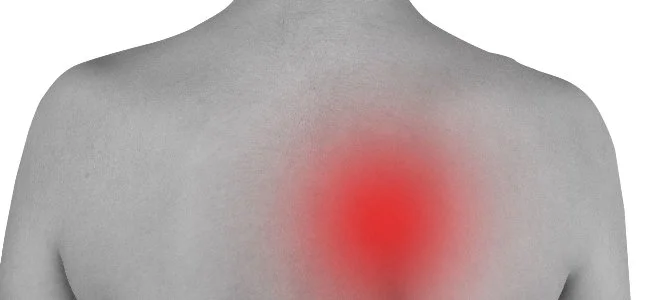
The subtle ache, the persistent tightness, the sharp twinge—pain between the shoulder blades, medically known as interscapular pain, is a widely experienced discomfort. For many, it’s an unwelcome companion to long hours spent at a desk, intense workouts, or even restless nights. While it's easy to dismiss this sensation as a mere muscle knot or temporary stiffness, interscapular pain can often be a complex symptom, signaling issues that extend far beyond the superficial layers of the shoulder blade and surrounding musculature. This article embarks on a comprehensive exploration, delving into the diverse origins of this common ailment. We will uncover the usual musculoskeletal culprits, investigate how problems in adjacent anatomical regions can refer pain to your upper back, and critically examine the less apparent, yet significant, visceral and systemic conditions that can manifest as discomfort in this area. Understanding the multifaceted nature of Pain Between the Shoulder Blades is the first, crucial step towards achieving lasting relief.
More Than Just a Muscle Ache: Why Interscapular Pain Demands Attention
While many may attribute interscapular pain to simple muscle strain or the ubiquitous effects of poor posture, the location and persistence of this discomfort warrant a more thorough investigation. The thoracic spine, the region between your shoulder blades, is an intricate anatomical area encompassing vertebrae, ribs, a complex network of muscles, and delicate nerves that intricately connect to vital organs. The prevalence of chronic pain is a growing public health concern; in 2023, a staggering 24.3% of adults in the U.S. reported experiencing chronic pain, with 8.5% indicating high-impact chronic pain [CDC, 2024]. This statistic underscores the significant burden of persistent pain, where upper back pain, including discomfort between the shoulder blades, is a common manifestation. Dismissing such pain as a mere muscle ache can delay the diagnosis of underlying issues, potentially ranging from structural spinal problems to serious referred pain from internal organs. Recognizing that shoulder blade pain can be a symptom of a broader health concern is vital for prompt and effective management.
What to Expect: A Comprehensive Guide to Understanding Your Discomfort
This guide is designed to demystify the origins of interscapular pain by systematically exploring its potential causes. We will commence by examining the most frequent musculoskeletal contributors, then investigate how conditions affecting adjacent regions, such as the neck (cervical spine) and the shoulder joint itself, can present as upper back pain. Subsequently, we will venture into the critical, often overlooked, visceral and systemic conditions that can manifest with this symptom. Finally, we will outline the diagnostic pathways that healthcare professionals utilize to pinpoint the precise cause and discuss the multifaceted approaches to management and treatment, equipping you with the knowledge necessary to pursue effective relief.
The Usual Suspects: Common Musculoskeletal Causes
The vast majority of interscapular pain episodes originate within the musculoskeletal system. These are frequently linked to the biomechanics of movement, the structural integrity of the spine, and the condition of the muscles and joints that support the upper back.
Muscle Strain and Spasm: Overuse and Everyday Stressors
The musculature of the upper back, including the trapezius muscle, rhomboid muscles, and erector spinae, is in a constant state of engagement, crucial for maintaining posture and facilitating movement. Overexertion from repetitive tasks, sudden bursts of strenuous activity, or even prolonged periods of tension can precipitate muscle strain and spasms. These micro-tears within muscle fibers trigger an inflammatory response, leading to pain, stiffness, and a restricted range of motion. Improperly lifting heavy objects or initiating new physical activities without adequate conditioning are common precursors to these issues. In Great Britain alone, 543,000 workers reported work-related musculoskeletal disorders in 2023-2024, resulting in millions of lost workdays [Health and Safety Executive (HSE) UK, 2024], highlighting the significant prevalence of occupational strains that can contribute to shoulder blade pain.
Poor Posture and Ergonomics: The Silent Aggravator
Modern life, characterized by extended periods of sitting and pervasive screen time, is a major driver of poor posture. Slouching, rounded shoulders, and a forward-head position impose excessive stress on the muscles and ligaments of the neck and upper back. This chronic strain can lead to muscular imbalances, diminished spinal mobility, and persistent interscapular pain. Research indicates that individuals spending over six hours daily in sedentary positions face a 33% higher risk of developing chronic back pain compared to those with less sedentary habits [BMC Public Health, 2024]. Inadequate ergonomic setups in the workplace can exacerbate these problems, forcing the body into unnatural and sustained positions that strain the shoulder blades and surrounding structures, contributing to upper back pain.
Myofascial Pain Syndrome and Trigger Points
Myofascial pain syndrome is a chronic pain condition where pressure applied to sensitive points within muscles, known as trigger points, can elicit pain in seemingly unrelated areas of the body. Within the upper back, trigger points that develop in the rhomboid muscles or the trapezius muscle can radiate pain directly to the area between the shoulder blades. These muscular trigger points can emerge from repetitive strain, direct trauma, or sustained muscle tension. The resultant pain is often described as deep, aching, and persistent, frequently accompanied by palpable stiffness and a reduction in movement. Effective trigger point treatment often involves manual therapies, stretching, and the use of tools like a foam roller.
Spinal Conditions: The Thoracic Spine's Contribution
The thoracic spine, situated between the cervical spine (neck) and the lumbar spine (lower back), is susceptible to a variety of conditions that can manifest as interscapular pain. Degenerative disc disease, a condition where the spinal discs lose their hydration and cushioning capacity, can lead to localized pain and stiffness. Dysfunction of the facet joints, the small articulations connecting the vertebrae, can also result in pain. More significantly, herniated discs within the thoracic spine, while less common than in other spinal regions, can compress spinal nerves, leading to radiating pain. Estimates suggest a prevalence of 5% to 10% for thoracic spinal cord compression lesions such as herniated discs [Journal of Minimally Invasive Spine Surgery and Technique, 2023]. Conditions like kyphosis (an excessive outward curvature of the spine) or scoliosis can also alter spinal mechanics and contribute to discomfort.
When Pain Refers: Uncovering Issues from Adjacent Regions
Pain felt between the shoulder blades does not always originate within that specific anatomical zone. Conditions affecting nearby structures, particularly the neck (cervical spine) and the shoulder joint itself, can frequently refer pain to the interscapular region. This phenomenon of referred pain highlights the interconnectedness of our anatomical systems.
Cervical Spine (Neck) Conditions Manifesting as Interscapular Pain
The close anatomical and neurological proximity of the neck and the upper back means that issues within the cervical spine commonly cause referred pain between the shoulder blades. Muscle tension and spasms in the neck, often triggered by stress, poor posture, or sleeping positions, can radiate pain downwards. Degenerative changes in the cervical spine's discs or facet joints can also irritate nearby nerves, sending pain signals to the interscapular area. Furthermore, a cervical disc herniation can compress nerve roots that supply sensation to the upper back, leading to significant discomfort.
Shoulder Joint and Scapular Dysfunction
Problems arising from the shoulder joint itself, such as rotator cuff tears, impingement, or AC joint dislocations, can lead to compensatory movement patterns. These altered biomechanics strain the muscles surrounding the shoulder blades, causing pain. Similarly, scapular dyskinesis, which describes abnormal movement or positioning of the shoulder blade, can result in muscle imbalances and subsequent pain between the shoulder blades. The precise and coordinated movement of the scapula is paramount for optimal shoulder function, and any disruption can lead to compensatory strain in adjacent muscles, contributing to shoulder blade pain.
Nerve Entrapment Syndromes
Nerves traversing the neck and upper back can become compressed or irritated, giving rise to localized or referred pain. For instance, the dorsal scapular nerve, which innervates the rhomboid muscles and the levator scapulae muscle, can be entrapped, causing pain and dysfunction in the shoulder blade region. The Spinal Accessory Nerve, vital for the function of the trapezius muscle, can also be affected. Conditions like thoracic outlet syndrome, characterized by the compression of nerves and blood vessels in the space between the collarbone and the first rib, can also present with upper back pain and other neurological symptoms. Nerve entrapment often requires specialized diagnostic tools to pinpoint.
The Critical "Beyond": Visceral and Systemic Causes of Interscapular Pain
While musculoskeletal issues represent the most frequent source of interscapular pain, it is imperative to acknowledge that this discomfort can sometimes signal problems originating within the body's internal organs or as a symptom of systemic health conditions. These causes, though less common, are often more serious and necessitate prompt medical evaluation and intervention.
Cardiovascular Concerns: When Your Heart is the Source
Heart conditions, particularly myocardial infarction (heart attacks) and angina, can present with referred pain in the upper back and between the shoulder blades. While chest pain is a classic indicator, atypical presentations are not uncommon, especially among women and individuals with diabetes. Studies indicate that non-classic pain, including back pain, affects a significant portion of individuals with coronary artery disease, with the back being a frequent site of referred pain [PMC, 2024]. This phenomenon occurs because nerves originating from the heart share pathways with nerves serving the upper body. Any sudden, severe, or persistent interscapular pain, especially when accompanied by symptoms like shortness of breath, nausea, or radiating arm pain, must be treated as a medical emergency. The thoracic aorta is also a critical structure, and conditions like Aortic dissection can present with severe back pain.
Pulmonary Issues: Lungs and Diaphragm Involvement
Problems affecting the lungs or diaphragm can also lead to referred pain in the upper back. Conditions such as pneumonia or pleurisy (inflammation of the membrane lining the lungs) can irritate the diaphragm, referring pain upwards. A pulmonary embolism, a blood clot in the lung, can cause chest pain that may extend to the back. Irritation of the diaphragm, possibly due to inflammation, infection, or even vigorous physical activity, can trigger a pain sensation perceived between the shoulder blades.
Gastrointestinal Disorders: Digestive System's Role
Certain gastrointestinal issues can also manifest as interscapular pain. Gallbladder problems, including gallstones or cholecystitis (inflammation of the gallbladder), frequently cause referred pain to the right shoulder blade and the upper back. Peptic ulcers or Acid reflux (GERD) can sometimes cause upper abdominal pain that radiates to the back. The shared nerve pathways between the digestive organs and the thoracic spine help explain this referred pain.
Other Systemic and Less Common Causes
Less frequently, interscapular pain can be associated with systemic infections, inflammatory conditions like ankylosing spondylitis, or certain types of cancer, though these are rare. Viral infections affecting the thoracic spinal nerves can also cause localized pain. It is crucial to consider these possibilities, especially if the pain is accompanied by other systemic symptoms such as fever, unexplained weight loss, or persistent fatigue. Vertebral compression fractures, particularly in older adults or those with osteoporosis, can also lead to acute upper back pain.
The Diagnostic Journey: Finding the Root Cause
Accurately diagnosing the source of interscapular pain is paramount for effective treatment. Healthcare professionals typically employ a structured approach to gather comprehensive information and identify the underlying cause, moving beyond superficial symptom management.
Initial Consultation and Physical Examination
The diagnostic process commences with a detailed patient history. You will be asked about the onset, nature, duration, and any factors that exacerbate or alleviate your pain. Questions regarding your lifestyle, occupation, medical history, and any accompanying symptoms are crucial. A thorough physical examination follows, involving an assessment of your posture, evaluation of the range of motion in your spine and shoulder, palpation of the muscles and spine to detect tenderness or spasms, and specific tests to assess nerve function and joint mobility. Your physical therapist will play a key role in this initial assessment.
Imaging Studies: Seeing Inside the Body
Depending on the suspected cause, various imaging studies may be ordered. X-rays can reveal structural abnormalities of the spine, such as arthritis, degenerative changes, or vertebral misalignment. A Magnetic Resonance Imaging (MRI scan) provides more detailed images of soft tissues, including muscles, nerves, and discs, and is frequently used to diagnose herniated discs, spinal cord compression, or soft tissue injuries like rotator cuff tears. A Computed Tomography (CT scan) may also be utilized for detailed bone imaging or to assess certain visceral issues.
Electrophysiological Studies: Assessing Nerve Function
If nerve involvement is suspected, electrophysiological tests such as electromyography (electrophysiologic evaluation) and nerve conduction studies (motor conduction study and compound muscle action potential assessments) can be performed. These tests measure the electrical activity of muscles and nerves, helping to identify nerve damage, compression, or dysfunction, thereby pinpointing the affected nerve roots or peripheral nerves. These are particularly useful for diagnosing nerve entrapment syndromes.
Specialized Tests and Referrals
For suspected visceral causes, further investigations might be necessary, including blood tests, ultrasound of the abdomen (especially for gall bladder disease), electrocardiogram (ECG) to assess heart function, or chest X-rays. Depending on the complexity and suspected origin of the pain, you may be referred to specialists such as a neurologist, cardiologist, gastroenterologist, pulmonologist, or orthopedist. Your initial physical therapist may also refer you to a physician for further diagnostic workup if certain findings arise during your assessment.
A Holistic Approach: Management and Treatment Strategies
The management of interscapular pain is intricately linked to its underlying cause. A comprehensive, often multi-modal approach that addresses the specific diagnosis is typically the most effective path to recovery and long-term relief.
Addressing Musculoskeletal Pain: A Multi-Modal Approach
For pain stemming from muscle strain, poor posture, or minor musculoskeletal issues, treatment frequently involves physical therapy. This includes targeted stretching and strengthening exercises designed to improve muscle balance and postural alignment. Manual therapy techniques, such as massage therapy, dry needling for trigger points, or chiropractic adjustments, can provide significant relief from muscle tension and joint restrictions. Ergonomic modifications at work and home, alongside conscious efforts to improve posture during daily activities, are essential for sustainable prevention. Over-the-counter (OTC medications) or prescription pain relievers and anti-inflammatory drugs may be used for symptom management. For chronic issues, heat therapy or ice therapy can be beneficial; a heating pad or ice wrapped in cloth applied for 15-20 minutes several times a day can help reduce inflammation and muscle soreness.
Managing Visceral and Systemic Causes
When interscapular pain is attributed to visceral or systemic conditions, the primary focus shifts to treating the underlying disease process. This might involve medication for cardiovascular conditions, antibiotics for pulmonary infections, or surgical intervention for gallbladder issues. Addressing the root cause is paramount, as symptomatic relief of the back pain will be temporary until the primary medical issue is resolved.
Neuropathic Pain Management
If nerve entrapment or radiculopathy is identified as the cause of pain, treatment strategies may include specific medications designed to manage nerve pain, such as anticonvulsants or certain antidepressants. In some cases, nerve blocks or surgical decompression procedures may be considered to alleviate pressure on the affected nerve. Physical therapy can also play a crucial role in rehabilitation and restoring function. Specialized trigger point treatment may also be integrated.
The Role of Psychosocial Factors in Chronic Pain
Chronic pain, including persistent interscapular pain, can profoundly impact an individual's mental well-being. Conditions like anxiety and depression are frequently comorbid with chronic pain; indeed, 55.6% of U.S. adults reporting chronic pain also experience unremitted anxiety and depression symptoms [American Psychological Association, 2024]. Addressing psychological factors through stress management techniques, mindfulness, cognitive behavioral therapy (CBT), or sometimes antidepressant medication can be an integral component of a holistic pain management plan, thereby improving overall quality of life and pain perception.
When to Seek Immediate Medical Attention
It is imperative to seek immediate medical attention if interscapular pain is sudden, severe, or accompanied by any of the following "red flag" symptoms: chest pain, shortness of breath, dizziness, nausea, vomiting, fever, numbness or weakness in the arms or legs, or difficulty swallowing. These symptoms could indicate a medical emergency, such as a heart attack, pulmonary embolism, or a serious neurological condition requiring urgent evaluation and treatment.
Conclusion: Empowering Yourself on the Path to Relief
Interscapular pain is a complex symptom with a broad spectrum of potential origins, ranging from simple muscle fatigue to serious internal organ issues. By understanding that discomfort between the shoulder blades can be a signal from various systems within the body, individuals can move beyond dismissing it and engage proactively in a diagnostic process. The journey to relief begins with recognizing the diverse possibilities, consulting with healthcare professionals for an accurate diagnosis, and embracing a treatment strategy tailored to the specific root cause. Whether addressing poor posture, managing a chronic condition, or seeking relief from nerve entrapment, an informed and holistic approach empowers you to take control of your health and find lasting freedom from interscapular pain. This comprehensive understanding transforms a common ache into an opportunity for deeper self-care and improved well-being.
Your first chiropractic adjustment is a proactive and empowering step toward better health. By understanding what to expect—from the initial consultation and thorough examination to the adjustment itself and post-treatment care—you can approach your appointment with confidence. The process is a collaborative partnership designed to uncover the root cause of your symptoms, restore your body's natural function, and create a personalized roadmap to your health goals. Remember that chiropractic care is not just about alleviating immediate pain; it is an investment in your long-term wellness, aimed at improving mobility, optimizing nervous system function, and preventing future injuries. By following through with your recommended care plan and communicating openly with your chiropractor, you are setting the stage for a healthier, more resilient future.
Ready to Feel Your Best? Book Your Appointment Today!
Whether you're dealing with back pain, neck discomfort, or seeking preventative care, LJ Chiropractic Clinic is here to help. Our experienced team, led by Li Jen, offers personalized chiropractic treatments tailored to your unique needs. Serving Caringbah, Kensington, and surrounding suburbs, we specialize in musculoskeletal conditions, sports injuries, and more.
Don't wait to start your journey towards better health and wellbeing. Schedule your appointment online now or call us at:
Caringbah: (02) 9525 4303
Kensington: (02) 9188 8484
Your path to a healthier, pain-free life begins here!
