
Introduction: Unlocking Lasting Relief for Your Knees
Knee pain is a pervasive and often debilitating issue that can significantly curtail your quality of life. Whether it’s the sharp agony of an injury, the persistent ache of degeneration, or the frustrating limitation in daily activities, living with knee pain can feel like a constant battle. While many are familiar with traditional approaches, these often offer only temporary relief, failing to address the underlying root causes of the problem. For those seeking a genuine, long-term solution, chiropractic care presents a powerful, holistic alternative. By understanding the intricate biomechanics of the entire body, chiropractors can identify and correct the subtle misalignments and dysfunctions that contribute to knee discomfort, paving the way for lasting relief and sustainable knee health. This article delves into the effective chiropractic solutions that can help you reclaim your mobility and live without the burden of knee pain.
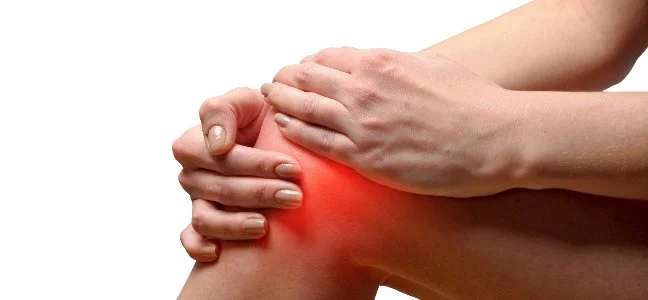
The Pervasive Problem of Knee Pain
The impact of knee pain is far-reaching, affecting millions worldwide and diminishing the ability to engage in essential daily tasks, cherished hobbies, and athletic pursuits. Globally, knee osteoarthritis (KOA) alone significantly impacts quality of life. In fact, the prevalence of knee pain is staggering; studies show that knee pain affects 25% of adults, and its prevalence has increased by up to 65% over the past two decades Medical Evaluation, recent. This persistent discomfort and functional limitation can lead to a cascade of physical and emotional challenges, extending beyond the joint itself to affect overall well-being. The economic toll is also immense, with billions spent annually on managing knee pain. Understanding the widespread nature of this problem is the first step toward exploring effective treatments that offer more than just temporary respite.
Why Traditional Approaches Often Fall Short of Lasting Relief
Traditional approaches to knee pain frequently focus on symptom management rather than addressing the core issues. While pain medication and even certain therapies can offer temporary alleviation, they often fail to rectify the underlying biomechanical or neurological factors that trigger the discomfort. These methods might treat the knee in isolation, neglecting how the entire musculoskeletal system, including the spine, hips, and feet, contributes to knee health. This can lead to a cycle of recurring pain and persistent knee problems, as the fundamental imbalances remain unaddressed. Without a comprehensive understanding of the kinetic chain and how it influences the knee joint, temporary fixes are likely to fall short of providing the enduring relief that many individuals desperately seek.
The Chiropractic Difference: A Holistic Path to Sustainable Knee Health
The chiropractic approach offers a fundamentally different paradigm for addressing knee pain. Instead of focusing solely on the affected knee, chiropractors assess the body as an integrated system, recognizing that issues elsewhere—particularly in the spine and hips—can exert significant influence on the knee joint. This holistic perspective allows for the identification and correction of underlying structural and functional misalignments that often serve as the root cause of knee pain. By restoring proper biomechanics and optimizing nerve function, chiropractic care aims for sustained relief and improved overall musculoskeletal health, moving beyond superficial symptom masking to promote genuine healing and resilience within the body. This integrated approach targets the source of the problem, leading to more profound and lasting results.
Understanding Your Knee Pain: Decoding the Root Cause
Effectively managing knee pain necessitates a deep dive into its origins. This involves a comprehensive understanding of the complex anatomy of the knee joint itself, as well as the myriad factors that can contribute to discomfort, inflammation, and functional limitations. Rather than treating the symptom, chiropractic care prioritizes deciphering the intricate web of biomechanical and neurological influences that manifest as knee problems.
The Complex Anatomy of the Knee Joint
The knee joint is a marvel of biomechanical engineering, essential for locomotion and a wide range of movements. It's formed by the articulation of the femur (thigh bone) and tibia (shin bone), with the patella (kneecap) gliding over the femur. Crucial components like cartilage (including the menisci, which act as shock absorbers), ligaments (ACL, PCL, MCL, LCL) for stability, and an intricate network of tendons and muscles (quadriceps, hamstrings) all work in concert. Any imbalance, injury, or degeneration within this complex structure can lead to significant knee pain and restricted mobility.
Common Causes of Knee Pain
Knee pain arises from a diverse array of causes. Degenerative conditions like osteoarthritis (KOA) are exceptionally common; knee OA accounts for more than 56% of the age-standardized incidence, prevalence, and DALYs (disability-adjusted life years) rates, highlighting its significant global burden. Studies also show a marked difference by sex; for example, in one Chinese study, the prevalence of KOA was 32.04% in women and 13.75% in men, with women exhibiting a significantly higher prevalence. Acute injuries such as meniscus tears and ligament sprains, often resulting from sudden twists or impacts, are frequent culprits. Furthermore, soft tissue issues, including tendinitis (inflammation of tendons) and bursitis (inflammation of cushioning sacs), as well as muscle tension and fascial restrictions, can cause substantial knee problems.
The Interconnected Kinetic Chain: How Other Areas Affect Your Knee
The body functions as a sophisticated kinetic chain, where the health and alignment of one segment directly impact others. The knee joint is particularly susceptible to influences from the hips, ankles, and spine. For instance, hip misalignments or weak gluteal muscles can lead to inward rotation of the thigh, placing abnormal stress on the knee. Similarly, foot and ankle issues, like overpronation, can alter gait mechanics and transmit suboptimal forces up the chain. Research underscores this connection; improved spinal alignment can indirectly contribute to better posture and gait, potentially reducing stress on the knee joints Chiropractic Statistics for Better Health. A chiropractor's assessment considers this entire chain to pinpoint how seemingly unrelated issues may be the true source of your knee pain.
The Nervous System's Role in Pain Perception and Healing
The nervous system is the body's master control and communication network, profoundly influencing our experience of pain and our capacity for healing. Spinal misalignments, known as subluxations, can interfere with nerve signals traveling to and from the knee joint and surrounding muscles. This neural interference can result in increased muscle tension, spasms, reduced coordination, and altered pain perception, all of which can significantly exacerbate knee pain. By correcting these misalignments, chiropractors aim to optimize nerve flow, reduce pain signaling, and enhance the body’s innate healing capabilities, fostering a more effective and enduring recovery. This also helps in managing nervous system sensitivity that can amplify discomfort.
The Chiropractic Lens: Comprehensive Assessment for Personalized Care
A cornerstone of effective chiropractic care for knee pain is its unwavering commitment to a thorough and personalized assessment. This rigorous diagnostic process moves beyond merely identifying symptoms to uncovering the precise root causes, ensuring that every treatment plan is meticulously tailored to the individual's unique needs and specific knee problems.
Your Initial Consultation: Beyond Symptoms
During your initial consultation, the chiropractor will engage in an in-depth conversation about your knee pain. This involves more than just pinpointing the location of discomfort; they will explore the onset, duration, intensity, and character of your pain, as well as factors that aggravate or alleviate it. Crucially, they will also inquire about your lifestyle, including work, hobbies, and activity levels, to gain a holistic understanding of your functional demands. This detailed medical history is vital for guiding the subsequent examination and forming the foundation of your personalized treatment plan.
Advanced Diagnostic Techniques: Pinpointing the Source
Following the consultation, a comprehensive Physical Exams is conducted. This typically includes assessing posture, gait, and the range of motion in the knee joint and surrounding structures. Palpation is used to identify tender points, muscle tightness, and joint restrictions. Depending on the findings, the chiropractor may recommend diagnostic imaging, such as X-rays, to visualize the knee joint's structure, detect signs of arthritis, or identify potential ligament damage. In more complex cases, an MRI might be suggested for a detailed view of soft tissues like the menisci and ligaments. These advanced techniques are critical for accurately pinpointing the source of the knee pain and differentiating between various knee problems.
Identifying Underlying Spinal Misalignments and Joint Restrictions
A core focus of the chiropractic assessment is identifying spinal misalignments and restrictions in other joints within the kinetic chain, not just within the knee itself. These underlying dysfunctions can disrupt normal biomechanics and nerve function, indirectly contributing to knee pain. By analyzing your posture and movement patterns, the chiropractor can detect imbalances that may be overloading your knee joint. Understanding these interconnected relationships is fundamental to developing an effective treatment plan that addresses the root cause of your discomfort, leading to more profound and lasting relief from joint pain.
Core Chiropractic Solutions for Lasting Knee Pain Relief
Once a thorough assessment has illuminated the specific causes of your knee pain, chiropractors deploy a suite of specialized techniques. These core solutions are designed not just to alleviate immediate discomfort but to restore optimal function, promote healing within the knee joint and surrounding tissues, and prevent future episodes of pain.
Chiropractic Adjustment and Joint Manipulation
The hallmark of chiropractic care is the Chiropractic Adjustment, often referred to as joint manipulation. This technique involves the precise application of controlled, high-velocity, low-amplitude thrusts to a restricted joint, aiming to restore its normal range of motion and alignment. For knee pain, this may involve direct manipulation of the knee itself, but more commonly focuses on adjusting the spine, hips, and ankles. These adjustments enhance the mechanics of the entire kinetic chain, thereby reducing abnormal stress on the knee joint. Clinical evidence suggests that approximately 70-80% of patients report feeling relief after a series of chiropractic treatments. Moreover, spinal manipulation has been shown to improve overall bodily alignment, which can indirectly enhance posture and gait, lessening the burden on the knees.
Advanced Soft Tissue Therapies
Beyond structural adjustments, chiropractors frequently employ soft tissue therapies to address the muscles, tendons, and fascia surrounding the knee. Techniques such as myofascial release, trigger point therapy, and deep tissue massage are instrumental in alleviating muscle tension, breaking down adhesions, and improving blood flow to injured or overworked areas. When muscles surrounding the knee are tight or imbalanced, they can pull unevenly on the joint, leading to pain, inflammation, and altered biomechanics. Releasing this tension and restoring normal muscle function complements chiropractic adjustments, significantly contributing to pain relief and improved knee mobility. These soft tissue therapies are vital for a comprehensive approach to soft tissues health.
Mobilisation Techniques: Gently Improving Range of Motion
Mobilization techniques involve slower, more sustained movements applied to a joint to enhance its range of motion and reduce stiffness. Unlike a chiropractic adjustment, which is typically a rapid thrust, mobilization is a controlled and gentle application of force. These methods are particularly beneficial for patients experiencing stiffness and limited mobility in the knee joint, often associated with arthritis or post-injury conditions. By gently restoring movement to restricted areas, mobilization helps to decrease discomfort and improve the overall function and fluidity of the knee, addressing joint dysfunction.
Supportive Therapies for Enhanced Healing
To further accelerate the healing process and provide comprehensive relief for joint pain, chiropractors may incorporate supportive therapies. Therapeutic ultrasound, for instance, uses sound waves to promote tissue repair and reduce inflammation, while electrotherapy can aid in pain management and muscle re-education. These modalities, often used in conjunction with manual manual therapy, play a crucial role in enhancing the effectiveness of the overall treatment plan for knee problems, supporting the body’s natural recovery mechanisms.
Beyond Adjustments: A Holistic Toolkit for Sustainable Knee Health
Chiropractic care for knee pain extends beyond immediate adjustments and therapies, encompassing a broader, holistic strategy designed for long-term knee health and overall well-being. This approach empowers individuals to actively participate in their recovery and maintain optimal function.
Rehabilitative Exercises and Movement Strategies
A critical component of any chiropractic treatment plan for knee pain involves personalized rehabilitative exercises. These are specifically designed to strengthen weakened muscles—particularly the quadriceps, hamstrings, glutes, and core—which are vital for supporting the knee joint. They also aim to improve flexibility, enhance balance, and retrain proper movement patterns. Corrective exercises are crucial for improving proprioception, the body's awareness of its position in space, which is essential for preventing re-injury and ensuring stable, pain-free movement. Furthermore, activity dosing, or carefully managing the intensity and duration of physical activity, is integrated to ensure a safe and progressive return to desired activities without overloading the knee.
Lifestyle Habits for Joint Longevity
Chiropractors also provide essential guidance on lifestyle habits that contribute to joint longevity and significantly impact knee pain. This includes recommendations for ergonomic adjustments at work and home, advice on selecting appropriate footwear, and strategies for weight management, as excess body weight places considerable stress on the knee joints. They may also suggest modifications to activities that exacerbate discomfort. By integrating these healthy habits, individuals create an environment that supports their knee joint health and reduces the likelihood of developing or worsening knee problems. This often includes promoting optimal sleep hygiene to allow the body adequate time for repair and recovery.
Empowering You: Active Participation in Your Recovery
Ultimately, the most profound and lasting relief stems from active patient participation. The chiropractor acts as a guide and facilitator, providing the expertise and manual therapy necessary to address biomechanical issues. However, consistent adherence to recommended exercises, lifestyle changes, and follow-up appointments is paramount. By empowering individuals with knowledge about their condition and providing them with the tools to manage it, chiropractic care fosters a sense of control and promotes long-term success in overcoming knee pain and achieving enduring relief. This proactive engagement is key to maintaining a healthy musculoskeletal system.
Chiropractic Care for Specific Knee Conditions
Chiropractic care offers tailored benefits for a wide spectrum of common knee problems, addressing the underlying biomechanics and soft tissue imbalances that contribute to pain and dysfunction, rather than just masking the symptoms.
Managing Osteoarthritis and Degenerative Joint Pain
For osteoarthritis and other degenerative joint pain conditions, chiropractic care focuses on reducing inflammation, improving joint manipulation and mobility, and managing discomfort. By restoring proper alignment and optimizing the mechanics of the knee joint, chiropractors can help alleviate the stress on the affected area, potentially slowing the progression of degeneration and improving overall function. A study published in the Journal of Alternative and Complementary Medicine indicated that regular soft tissue therapy can contribute to significant osteoarthritis pain relief, with patients often experiencing a notable improvement in discomfort—up to 35% from their initial levels—through consistent treatments Journal of Alternative and Complementary Medicine.
Addressing Meniscus Tears and Ligament Sprains (Non-Surgical)
While severe meniscus tears or ligament tears may necessitate surgical intervention, chiropractic care plays a significant role in the non-surgical management and recovery process. By improving the biomechanics of the entire kinetic chain and reducing compensatory strain on the injured knee, chiropractors can support the healing process, decrease swelling, and help restore function. A personalized treatment plan often includes targeted exercises to strengthen supporting muscles and enhance stability around the compromised knee joint.
Relieving Tendinitis, Bursitis, and Other Soft Tissue Injuries
Tendinitis and bursitis are frequently the result of overuse, repetitive stress, or underlying biomechanical imbalances that lead to inflammation in the soft tissues. Chiropractic treatments, including targeted soft tissue therapies, manual adjustments, and spinal manipulation, can help reduce inflammation, release compensatory muscle tension, and correct the functional issues that contribute to these painful conditions, providing significant referred pain relief by addressing the source of irritation.
Support for Sports Injuries and Performance Enhancement
Athletes often seek chiropractic care for both recovery from sports injuries and for performance enhancement. By optimizing the kinetic chain, ensuring proper alignment, and addressing muscular imbalances, chiropractic care can help prevent sports-related knee injuries, improve athletic performance by ensuring efficient biomechanics, and facilitate faster recovery from existing knee problems, thereby supporting the overall musculoskeletal system.
How Chiropractic Addresses Pinched Nerves and Referred Pain Affecting the Knee
Occasionally, knee pain is not directly originating from the knee itself but is experienced as referred pain due to a pinched nerve in the lower back or hip. Spinal adjustments can help decompress these nerves, restoring proper nerve function and alleviating the referred discomfort in the knee. This highlights the chiropractic principle of treating the root cause within the nervous system, which may lie far from the site of perceived pain, impacting overall nervous system sensitivity.
What to Expect on Your Journey to Lasting Knee Pain Relief
Embarking on chiropractic care for your knee pain involves a structured, collaborative process designed to achieve lasting relief and restore optimal function to your knee joint. This journey is personalized, evidence-based, and aimed at empowering you to take an active role in your health.
Your Personalized Treatment Plan
Following your comprehensive assessment, your chiropractor will outline a personalized treatment plan. This plan is not static; it is a dynamic roadmap that evolves as your condition improves. It will detail the specific types of treatments recommended—ranging from Chiropractic Adjustment and soft tissue therapies to rehabilitative exercises—along with the proposed frequency of appointments and the expected goals of care. This collaborative approach ensures you are an active and informed participant in your recovery journey, contributing to the effectiveness of your treatment plan.
Realistic Timelines for Functional Restoration
The timeline for relief and functional restoration varies, depending on the severity and chronicity of your knee pain, as well as your adherence to the prescribed treatment plan. Initial improvements in pain and mobility may become noticeable within a few weeks of consistent manual therapy. However, achieving lasting relief and fully restoring optimal function often requires a commitment to the entire course of care, which may span several weeks or months. Patients who sought chiropractic care as their initial provider for low back pain had 90% decreased odds of both early and long-term opioid use, illustrating the potential for significant long-term benefits extending to improved overall health and reduced reliance on pain medication Chiropractic Statistics for Better Health.
The Role of Follow-Up and Reassessment
Regular follow-up appointments are crucial to monitor your progress. During these visits, your chiropractor will reassess your response to treatments, evaluate improvements in your knee joint's function, and make any necessary adjustments to your treatment plan. This ongoing evaluation ensures that your care remains effective and addresses any new challenges that may arise. Chiropractic care can effectively complement the traditional medical care you receive, offering a synergistic approach to your health and well-being.
When to Seek Chiropractic Care
If you are experiencing persistent knee pain, swelling, stiffness, or limitations in your movement, it is time to consider chiropractic care. Early intervention can prevent minor issues from developing into chronic knee problems. Don't let discomfort dictate your life or restrict your activities. Scheduling an appointment with a chiropractor is a proactive step towards understanding the root cause of your pain and embarking on a path to lasting relief. Many chiropractors offer online booking options, making it easy to inquire or schedule your initial consultation, ensuring excellent customer service throughout your journey.
Conclusion
Knee pain is a complex condition with far-reaching impacts, but it doesn't have to be a lifelong burden. The chiropractic approach offers a powerful, holistic solution by focusing on the root causes of your discomfort, rather than just managing symptoms. Through comprehensive assessment, including detailed medical history and thorough Physical Exams, coupled with targeted Chiropractic Adjustment, spinal manipulation, and advanced soft tissue therapies like Dry needling and Myofascial cupping, chiropractors can help restore proper function to your knee joint, alleviate joint pain, and improve your overall quality of life. By understanding the interconnectedness of your musculoskeletal system and committing to a personalized treatment plan that may include rehabilitative exercises and strategies for managing lifestyle habits, you can unlock lasting relief and reclaim your ability to move freely and confidently. Take the first step towards a pain-free future by scheduling your consultation today. If you're in the area, consider seeking care from a trusted Stafford Chiropractor or exploring practices like The Backstory Chiropractic or Our Family Chiropractor at Prime Health Co.; they are dedicated to providing exceptional care. Contact Us to begin your journey toward sustainable knee health.
Ready to Feel Your Best? Book Your Appointment Today!
Whether you're dealing with back pain, neck discomfort, or seeking preventative care, LJ Chiropractic Clinic is here to help. Our experienced team, led by Li Jen, offers personalized chiropractic treatments tailored to your unique needs. Serving Caringbah, Kensington, and surrounding suburbs, we specialize in musculoskeletal conditions, sports injuries, and more.
Don't wait to start your journey towards better health and wellbeing. Schedule your appointment online now or call us at:
Caringbah: (02) 9525 4303
Kensington: (02) 9188 8484
Your path to a healthier, pain-free life begins here!
