A Synergistic Approach to Lasting Pain Relief
Chronic pain is a pervasive issue, with its prevalence surging in recent years. This growing challenge demands more than temporary fixes; it requires sophisticated, integrated solutions that address both the symptoms and the root causes of musculoskeletal discomfort. Forward-thinking chiropractors are meeting this need by combining their foundational expertise in spinal health with advanced soft tissue techniques like dry needling. This synergistic approach creates a powerful framework for managing pain, restoring function, and achieving lasting relief from conditions ranging from nagging back pain to debilitating headaches.
The Growing Challenge of Musculoskeletal Pain
Modern lifestyles, characterized by prolonged sitting and repetitive motions, contribute significantly to muscle tension, postural imbalances, and chronic pain. Conditions like neck stiffness, persistent back pain, and tension headaches are no longer exceptions but common complaints that diminish quality of life. Traditional treatments often focus on either the skeletal system or the muscular system in isolation, sometimes leading to incomplete or temporary results. The true challenge lies in addressing the intricate relationship between tight, dysfunctional muscles and the joints they control.
Unlocking Advanced Pain Management: The Power of Integration
The future of effective pain management lies in a holistic, multi-faceted approach. By integrating dry needling into a chiropractic treatment plan, practitioners can address both the hardware (joints and spine) and the software (muscles and nerves) of the body. This combination allows for a more comprehensive diagnosis and treatment, targeting the source of pain from multiple angles. It’s a strategy designed not just to alleviate discomfort but to restore optimal movement, enhance mobility, and build resilience against future injury.
Understanding Dry Needling: A Targeted Approach to Muscle Health
To appreciate its role in chiropractic care, it’s essential to understand what dry needling is and how it functions. Though it uses a thin, sterile needle, it is fundamentally different from acupuncture.
What is Dry Needling? (Western Science Perspective)
While both use thin needles, dry needling and acupuncture are based on different principles and goals.
Dry needling is a modern, science-based intervention for the treatment of pain and dysfunction in musculoskeletal conditions. Unlike acupuncture, which is rooted in Traditional Chinese Medicine and focuses on balancing energy flow (Qi) along meridians, dry needling is based on Western neuroanatomy and the scientific understanding of the musculoskeletal system. The primary goal is to target and release myofascial trigger points—hyper-irritable knots within a muscle that cause pain and restrict movement.
How Dry Needling Works: Targeting Myofascial Trigger Points
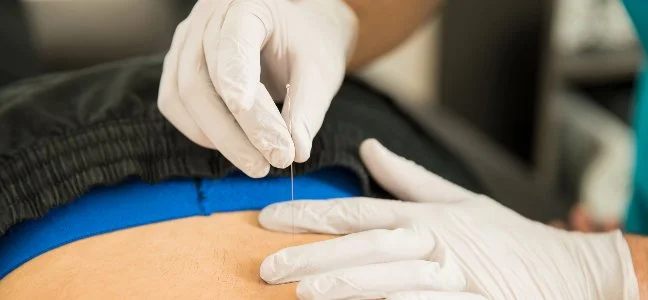
Trigger points are taut bands of skeletal muscle that can be painful to the touch and can also refer pain to other areas of the body. When a chiropractor inserts a sterile needle into one of these points, it elicits a localized "twitch response." This involuntary muscle contraction is the key to the treatment's success. The twitch response helps to release muscle tension, break the pain cycle, and improve flexibility. This process also increases blood flow to the area, delivering vital oxygen and nutrients that facilitate healing and flush out inflammatory substances.
The Chiropractic Edge: Why Integration is Key for Optimal Outcomes
While various practitioners perform dry needling, chiropractors bring a unique and invaluable perspective that enhances its effectiveness. With the dry needling market projected to grow significantly, reaching USD 372.1 million by 2033, its integration into chiropractic care is a logical evolution.
The Foundation of Chiropractic Care
Chiropractors are experts in biomechanics, the nervous system, and spinal health. Their foundational treatment involves identifying and correcting spinal misalignments (subluxations) and joint restrictions. This focus on the body's structural integrity is crucial because skeletal alignment directly influences muscle function. A misaligned vertebra or a restricted joint can force surrounding muscles to overcompensate, leading to the chronic tension and trigger points that dry needling addresses.
Unlocking Deeper Healing: How Dry Needling Enhances Chiropractic Treatment
Integrating dry needling creates a powerful therapeutic synergy. By first using dry needling to release stubborn muscle tension and deactivate trigger points, a chiropractor can prepare the body for a more effective adjustment. When muscles are relaxed, joints are more receptive to manipulation, allowing for a gentler, deeper, and more lasting correction. Conversely, after an adjustment restores proper joint mechanics, dry needling can help retrain the surrounding muscles to support the new, healthier alignment, preventing a swift return to dysfunctional patterns.
Practical Applications: Integrating Dry Needling into the Chiropractic Treatment Plan
This combined approach allows for a highly customized and effective treatment strategy that addresses pain from multiple angles.
Targeted Myofascial Release for Enhanced Mobility
For patients with restricted range of motion in the neck, shoulders, or back, dry needling provides a precise tool to release the specific muscles limiting movement. Unlike a general massage, it targets deep, hard-to-reach trigger points. Once this muscular barrier is removed, chiropractic adjustments can more effectively restore full joint mobility, leading to significant improvements in overall movement.
Correcting Postural Imbalances and Chronic Strain
Poor posture is a leading cause of chronic back pain and neck tension. A chiropractor first identifies the postural imbalance and the associated spinal misalignments. Dry needling is then used to release the chronically tight muscles (like those in the upper back and neck) that are pulling the skeleton out of alignment. This makes it easier for the patient to adopt and maintain correct posture following chiropractic adjustments and prescribed exercises.
Accelerating Recovery and Rehabilitation
For athletes or individuals recovering from injury, this integrated approach can significantly speed up the healing process. Dry needling helps manage muscle pain and spasms, while chiropractic care ensures the joints are moving correctly to prevent compensatory strain. This combination promotes healthier movement patterns, reduces the risk of re-injury, and gets patients back to their activities faster.
Conditions That Thrive with Integrated Chiropractic and Dry Needling
The synergy between these two therapies makes them highly effective for a wide range of common musculoskeletal issues.
Chronic Neck and Back Pain
This is one of the most common applications. Dry needling releases deep-seated trigger points in the muscles supporting the spine, providing immediate relief from muscle tension. The subsequent chiropractic adjustment addresses the underlying joint dysfunction contributing to the back pain, offering a comprehensive solution.
Headaches and Migraines
Many headaches, particularly tension-type and cervicogenic (originating from the neck), are caused by tight muscles in the neck and upper back. Dry needling can precisely target these trigger points, alleviating the muscle tension that refers pain to the head. This, combined with chiropractic adjustments to the cervical spine, can dramatically reduce the frequency and intensity of headaches.
Sciatica and Radicular Pain
While true sciatica stems from nerve compression, piriformis syndrome—where the piriformis muscle irritates the sciatic nerve—can mimic its symptoms. Dry needling is exceptionally effective at releasing a tight piriformis muscle, while chiropractic care addresses any pelvic or spinal misalignments contributing to the muscle pain and tension.
Extremity and Sports-Related Conditions
Issues like tennis elbow, rotator cuff tendinopathy, and IT band syndrome all involve muscular overuse and dysfunction. Dry needling can target the specific muscles involved, while chiropractors assess the entire kinetic chain to correct any biomechanical faults contributing to the injury.
Other Musculoskeletal Problems
The integrated approach is also beneficial for fibromyalgia, temporomandibular joint (TMJ) disorder, and various forms of chronic muscle pain. A recent study found that after dry needling, 73.8% of patients reported improved pain and 70.6% reported improved mobility, underscoring its broad effectiveness.
Your Integrated Treatment Journey: What to Expect
A visit to a chiropractor incorporating dry needling is a streamlined, patient-focused experience.
Comprehensive Assessment and Diagnosis
Your journey begins with a thorough evaluation, including a postural analysis, range of motion tests, and a discussion of your health history. The chiropractor will identify both the dysfunctional muscles (candidates for dry needling) and any related joint restrictions.
The Dry Needling Procedure
If dry needling is deemed appropriate, the chiropractor will have you lie in a comfortable position. They will then insert a fine, sterile needle directly into the identified trigger points. You might feel a slight prick and then a deep aching sensation or a visible twitch response as the muscle releases.
Chiropractic Adjustments and Manual Therapy
Following the dry needling session, when your muscles are more relaxed, the chiropractor will perform targeted adjustments to the spine and other joints. This may also be combined with other manual therapies or a therapeutic massage to further enhance the treatment's effects.
Post-Treatment Care and Collaborative Rehabilitation
You may experience some mild soreness in the treated muscles for a day or two, similar to post-workout soreness. Your chiropractor will provide guidance on home care, including stretching and corrective exercises, to maintain the gains in mobility and prevent the recurrence of trigger points.
Safety, Expertise, and Choosing the Right Practitioner
When considering dry needling, the practitioner's qualifications are paramount.
The Chiropractor's Expertise in Dry Needling
Chiropractors who perform dry needling have undergone extensive postgraduate training and certification. Their profound knowledge of anatomy, physiology, and biomechanics makes them exceptionally qualified to administer this treatment safely and effectively, ensuring the needle targets the precise muscle tissue without affecting other structures.
Important Considerations and Patient-Centered Care
Always choose a licensed chiropractor with specific certification in dry needling. A thorough practitioner will conduct a comprehensive assessment to ensure you are a good candidate for the treatment and will clearly explain the procedure, its benefits, and any potential risks. Your comfort and safety should always be the top priority.
Conclusion: Elevating Pain Management Through Chiropractic-Integrated Dry Needling
The landscape of pain management is evolving, moving away from isolated treatments and toward integrated, holistic strategies. The combination of chiropractic care and dry needling represents a powerful advancement in this field.
The Power of a Combined Approach
By addressing both skeletal alignment and muscular dysfunction simultaneously, this synergistic treatment offers a more complete and lasting solution to pain. Dry needling releases the muscular "knots" that cause immediate discomfort and restrict movement, while chiropractic adjustments correct the underlying structural issues that create muscle tension in the first place. This dual-action approach not only alleviates pain but also restores function, improves mobility, and empowers patients to live healthier, more active lives. If you are struggling with musculoskeletal pain, consulting a chiropractor skilled in dry needling could be your most effective next step toward lasting relief.
Ready to Feel Your Best? Book Your Appointment Today!
Whether you're dealing with back pain, neck discomfort, or seeking preventative care, LJ Chiropractic Clinic is here to help. Our experienced team, led by Li Jen, offers personalized chiropractic treatments tailored to your unique needs. Serving Caringbah, Kensington, and surrounding suburbs, we specialize in musculoskeletal conditions, sports injuries, and more.
Don't wait to start your journey towards better health and wellbeing. Schedule your appointment online now or call us at:
Caringbah: (02) 9525 4303
Kensington: (02) 9188 8484
Your path to a healthier, pain-free life begins here!
